This morning I received my semi-regular e-mail update from the Lessons Learned Information Sharing (LLIS) folks at the US Department of Homeland Security. If you are in the EM/HS field and are not on LLIS, I strongly encourage you to do so. It’s a great community of practice, facilitating the sharing of lessons learned and best practices in the field. One document that was listed in the e-mail was The Role of Business in Disaster Response. This document outlines case studies and best practices of businesses supporting all aspects of emergency management nationally and locally. It was published by the Business Civic Leadership Center of the US Chamber of Commerce. Admittedly, I was not aware of this office within the US Chamber, nor was I aware of their Disaster Program, which offers some great resources to businesses. 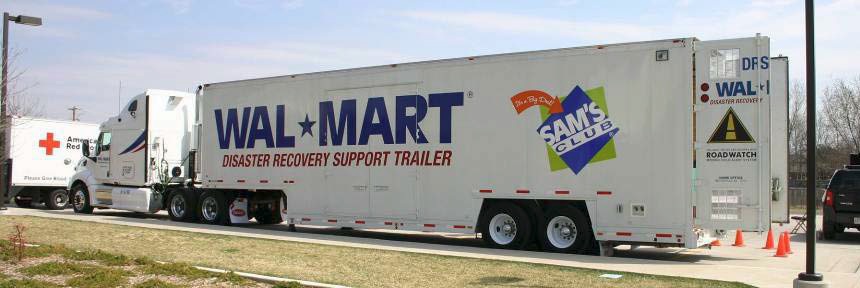
I’ve blogged in the past about the importance of public-private partnerships in emergency management and the incredible positive impacts it can have. Wal-mart, in particular, has gotten a lot of good press about their emergency business operations, and more recently since Hurricane Sandy I’ve seen some media attention given to other companies such as Home Depot, highlighting their emergency operations centers and their relief efforts. In a presentation I saw from Wal-Mart a while back, the company highlighted three priorities in regards to emergency management: 1) take care of its people, 2) take care of its operations, 3) take care of its communities. Just these three priorities say a lot about the company. They realize their people are their most important assets. Next, they strive to ensure business continuity. Lastly, with their business operations now being able to support it, they take care of the communities they have a presence in. What a great business model!
The integration of the private sector into emergency management needs to be at all levels. The National Operations Center (NOC), run by the US Department of Homeland Security, includes private sector representatives. How can this be improved? At the state level, many states either include private sector representatives in the State Emergency Operations Center or have a separate but connected Business Operations Center, solely focused on the coordination of private sector efforts. Both of these options help expedite private sector resources to emergency management efforts – especially when used as an extension of the EOC’s supply unit. There is also a recognized expertise between private sector and public sector emergency managers.
County and local emergency management programs can also benefit. Where national and international companies are usually found at the NOC and state EOCs, the local management of these chains can work with county and local EOCs. Also, don’t discount the value of small businesses in the area. They, too, have a wealth of knowledge and access to resources. Every community should form a disaster business alliance of some sort, or welcome private sector involvement with local VOADs. You can work with local chambers of commerce to make this happen. I’ve established a great relationship between my company, Emergency Preparedness Solutions, with my local chamber of commerce and have been providing information to members on emergency preparedness and business continuity through meetings and articles, as well as a presentation that I’ll be doing in a few months.
Never think that emergency management is too big of a concept for your local community. It’s not just something done by FEMA or by the state. In a disaster we need to help our neighbors and our communities. The biggest impact is always locally. Establish those relationships now and make a difference!
 The Contrarian Emergency Manager