
Ready for Anything: The Small Business Owner’s Guide to Crisis-Proofing Your Enterprise

Hi everyone!

As I’ve been swamped with work and life, I’m happy to welcome another guest post from Carla Lopez. Carla has posted on preparedness topics in the past. Please be sure to check out Boomerbig.org, a site she created for retirees who still desire to work and achieve, offering business resources for people in their golden years.

~~

The importance of emergency planning for small business owners can hardly be overstated. Many businesses focus on growth and profit, neglecting to prepare for unexpected crises that could severely disrupt operations or even force closure. Being prepared for the unexpected is not just a precaution; it is a necessity for business continuity. In this article shared below by Emergency Preparedness Solutions, we outline the crucial steps that can help small business owners prepare for a multitude of emergencies.

Recognize the Hazards

It’s essential to identify the unique risks that could potentially impact your business. These could range from natural disasters like floods and hurricanes to human-induced emergencies such as cyber-attacks or fire. Understanding these vulnerabilities helps you formulate targeted measures for each type of crisis. It also helps in resource allocation, ensuring you invest in the most critical protective measures for your specific business model.

Construct a Comprehensive Response Plan

Once you identify potential risks, the next step is to create a detailed emergency response plan. This should outline procedures for evacuations, lockdowns, or other responses tailored to different types of emergencies. Assign specific roles and responsibilities to employees so that everyone knows what to do in a crisis. A well-designed emergency plan can make the difference between controlled management and chaos when an emergency strikes.

Forge Efficient Communication Channels

Effective communication is paramount during any crisis. Establish a reliable emergency communication system that reaches all employees, customers, and other relevant stakeholders. This could be a messaging app, an email alert system, or a dedicated emergency phone line. Quick, transparent communication can help mitigate damage and ensure that everyone stays as safe as possible during an emergency.

Safeguard Your Data

In our digital age, data is often the lifeblood of a business. Ensure you regularly back up crucial information like customer records, financial documents, and employee data. To maximize security and availability, consider storing these backups off-site or in encrypted cloud storage. Data loss during an emergency can compound problems, hindering recovery and potentially leading to the loss of customer trust.

Digitize Important Documents

For businesses heavily reliant on paper records, here’s an option: digitize essential documents to ensure their safety and accessibility. Scanning and saving them as PDFs allows for secure, uniform storage that can be easily backed up and accessed remotely. This not only protects your records but also facilitates business continuity should physical access be restricted.

Educate Your Team

Employee training is a cornerstone of effective emergency management. Conduct regular training sessions to ensure that staff are familiar with emergency procedures and know how to use safety equipment like fire extinguishers or first-aid kits. Knowledgeable employees can act quickly in a crisis, helping to minimize damage and even save lives.

Stock Up on Essential Supplies

It’s easy to overlook, but keeping a well-stocked emergency supply kit can be a lifesaver. This should include first aid supplies, flashlights, extra batteries, and a supply of food and water. Ensure these supplies are easily accessible and that all employees know where to find them. Such provisions can provide invaluable support during extended emergencies like power outages or severe weather events.

Keep Your Plan Current

The world changes, and so do the types of risks your business might face. Regularly review and update your emergency plan to adapt to new circumstances. For instance, if your business expands to include more physical locations, your plan will need adjustments to account for this growth. Keeping your emergency plan up-to-date ensures its effectiveness and relevance.

Emergency planning is not a one-off task but an ongoing commitment. This article has detailed the importance of recognizing risks, constructing comprehensive plans, establishing communication systems, and ensuring both data safety and employee preparedness. In the face of a crisis, a well-prepared business stands a much greater chance of weathering the storm and emerging more resilient on the other side.

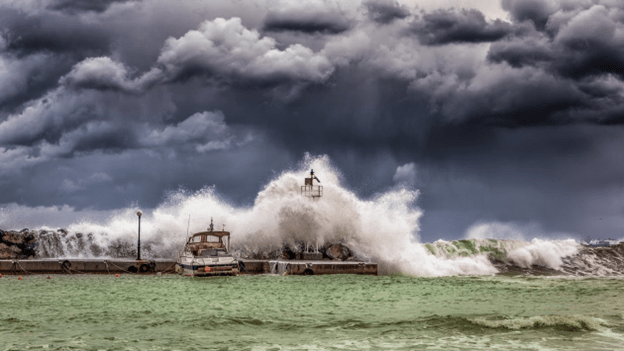
Why Being Prepared for Natural Disasters Is More Important Than Ever

Guest post!

I’m happy to have Carla Lopez return as a guest blogger, reminding us of the info we should be communicating to everyone about preparedness.

About Carla – Carla Lopez kept her entrepreneurial spirit even after retiring a couple years ago. She created Boomerbig.org for retirees who still desire to work and achieve – a site that offers business resources for people in their golden years.

~~

Natural disasters can strike at any time, leaving communities devastated and struggling to recover. While it’s impossible to prevent these events from happening, there are steps you can take to minimize their impact on your life. Being prepared for a natural disaster can help you stay safe, protect your property, and recover more quickly. Emergency Preparedness Solutions shares some of the benefits of being prepared.

Investing in Flood Insurance

One of the most important steps you can take to prepare for a natural disaster is to purchase insurance. This is especially true if you live in an area that is prone to flooding. Floods can cause significant damage to homes, businesses, and infrastructure, and without insurance, it can be difficult to recover. If you live in a flood-prone area, make sure you have flood insurance to protect your property.

Having a Plan in Place

When a natural disaster strikes, safety should be your top priority. When you’re prepared, you’ll be better equipped to protect yourself and your loved ones. This might mean having an emergency kit with food, water, and other supplies, or having a plan in place for where you’ll go if you need to evacuate. Being prepared can help you stay calm and focused during a crisis, which can make all the difference in staying safe.

Less Stress

There’s nothing more stressful than feeling unprepared for a natural disaster. When you take steps to prepare, you’ll enjoy greater peace of mind knowing that you’re ready for whatever comes your way. This can help you feel more in control during an emergency, which can reduce feelings of panic and anxiety.

Easier to Get Back on Your Feet

In the aftermath of a natural disaster, recovery can take weeks, months, or even years. Being prepared can help you recover more quickly by giving you the resources and tools you need to start rebuilding. With a plan in place, you’ll be able to make decisions more quickly and efficiently, which can help you get back on your feet faster.

Setting Aside an Emergency Fund

Natural disasters can have a significant impact on your finances. When you’re prepared, you’ll be better equipped to handle the financial fallout of a disaster. This might mean having an emergency fund set aside for unexpected expenses or making sure you have insurance coverage for different types of disasters.

Decreased Property Damage

When you’re prepared for a natural disaster, you’ll be better able to protect your property. This might mean taking steps to reinforce your home against high winds or flooding, or securing valuables so they don’t get damaged during a storm. By being proactive, you can reduce the amount of property damage that occurs during a disaster.

Improved Health

In the aftermath of a natural disaster, it’s not uncommon for people to experience physical and mental health issues. Being prepared can help you stay healthy by ensuring that you have access to clean water, food, and medical supplies. Additionally, having a plan in place can reduce feelings of stress and anxiety, which can take a toll on your mental health.

Natural disasters can be unpredictable and devastating, but being prepared can help you weather the storm. By taking steps to increase your safety, protect your property, and prepare for the financial fallout of a disaster, you can minimize its impact on your life. Whether you live in a flood-prone area or a region with frequent hurricanes, taking the time to prepare for a natural disaster is an investment in your future.

Putting Together an Emergency Plan That’ll Prepare You for When Disaster Strikes

Back in April of 2020, Carla Lopez guested on my blog, writing Thriving After Your Small Business Closes, which gave some tips for dealing with the hard truths many small businesses experienced during the pandemic. Carla has returned with a new post about emergency planning with an eye on small businesses. My thanks to Carla for referencing EPS in her article! – TR

About Carla – Carla Lopez kept her entrepreneurial spirit even after retiring a couple years ago. She created Boomerbig.org for retirees who still desire to work and achieve – a site that offers business resources for people in their golden years.

As per the news reports, it’s become more and more apparent that natural disasters are occurring more frequently than ever before, largely in part due to climate change. As such, one can never be too prepared if a natural disaster should happen to you and your family. Here are some tips from Emergency Preparedness Solutions on how to prepare for the worst.

Keep on top of the potential hazards that could occur in your area

Because natural disasters are so varied in nature, ranging from tornadoes to earthquakes to flooding, it makes sense, then, to keep on top of the potential hazards that are unique to your area.

Stock up your disaster kit

Make sure to stock up on a disaster supply kit that’s ready to go at all times. Basically, this kit should include the most essential items that will keep you going for at least a few days should things suddenly come to a complete standstill. Items that you should pack ahead of time in one or two backpacks should include important documents such as your identification documents, insurance policies, passports, medical records, etc. And be sure to pack them away in such a way that it is safe from water damage. Other essential items to think about include a pair of spare clothing, toiletries, chronic medication, extra cash, sleeping bags, a first aid kit, etc.

Plan your escape route

SafetyCulture points out that you should establish an evacuation plan for every eventuality or for what’s most applicable to your country’s most probable disaster. In it, you could include details pertaining to where you would find the most protection in your home in the case of a tornado, how to find your quickest route out of the home in the case of a fire, and alternative routes out of your town if you had to evacuate quickly and the main roads were no longer accessible.

Protect your business

Make sure to confirm with your insurers that your home business will also be covered by your homeowner’s insurance policy should your home be destroyed in a natural disaster. And if your current insurance policy isn’t designed to protect your business assets if you work from home, then be sure to find out what will be by getting a policy that’s specifically for your business. Or if you would prefer to group everything under a single policy, you could try to get an endorsement on your existing policy to include cover for your home office.

Stay in touch-always

In the case of a natural disaster occurring, you should establish multiple ways of staying in contact with your loved ones if the signal is down, such as making use of a central point of contact who can vouch for your whereabouts if your family or friends can get a hold of you and vice versa.

Make a plan for your beloved animals too

If you’re a pet lover, you wouldn’t dream of leaving your pets behind in the midst of grabbing your essentials and rushing out the door to safety. That’s why it is also important to plan what the safety steps would be for your pet, too.

Familiarize yourself with the processes

You should also ideally practice the steps covered in the plan beforehand so that when the time comes it is instinctual as opposed to chaotically looking for solutions, which can lead to catastrophic mistakes at a time when your mind has to be at its clearest.

In summary

You can never be too prepared for the unexpected when the unexpected is what we’ve come to expect. Therefore, having a well-thought-out plan in place that can help to prepare you for every outcome is a great place to start when you’re faced with a scary event that’s beyond your control.

Image via Pexels

Thriving After Your Small Business Closes

I’m thrilled to welcome a guest writer to my blog! This article addresses an important part of disaster recovery – economic recovery – which is something we will be hearing about for a long time. We’re seeing many people becoming unemployed and small businesses closing as a result of the pandemic.

This article is written by Carla Lopez. Carla retired a couple years ago, but she didn’t lose her entrepreneurial spirit. She created Boomer Biz for retirees like herself who still have a desire to work and achieve. The site is a resource for people in their golden years who want to start their own business or go back to work doing what they love. You can reach Carla at carla.lopez@boomerbiz.org.

(Please note that by posting this article we aren’t endorsing any products or services, nor do we make any commitments on the accuracy or representation of the subject matter.)

Thriving After Your Small Business Closes

Failure is a common step on the road to success, but that doesn’t make it an easy one. You start your small business knowing all the facts and statistics, well aware that many businesses fail in their first few years. Yet it’s natural to think, deep down, that you will be the exception. If things do go wrong, picking up the pieces can be a serious challenge.

Here are a few tips for moving past a failed venture and embracing your next great idea:

Let Yourself Grieve

A common mistake people make in the face of failure is avoidance. It can be tempting to try and pretend nothing bad has happened, but facing reality is more productive. After all, something bad did happen. Ignoring that doesn’t take it away, or make it any better.

Facing it and grieving, however, can have a number of positive effects. It will make it less painful over time, allowing you to process and move on from the experience. Remember that a major benefit of making mistakes is developing the ability to recognize them. Just as Lifehacker explains, grief is a valuable part of improvement.

Evaluate Your Finances

Once you’ve had a chance to process some of the pain, resolve to figure out your new financial situation. Money is, naturally, one of the most stressful parts of a business not working out. Do not let anxiety keep you from understanding your own means. After all, you have to know where you are to figure out where you’re going.

Look over your financial records and see if there’s anything you can learn from them. You might even consider hiring a small business or sales/marketing consultant who can help you identify any subtle mistakes you may have made along the way. This type of reflection will give you a firm foundation for your next big project. You can find talented consultants through freelancing websites like Upwork. Just select your desired work category and browse through qualified candidates.

Brainstorm Daily

Some people are full of new ideas when one venture falls through, while others are creatively blocked. Regardless of where you fall on the spectrum, daily brainstorming will help generate and clarify a path forward.

Set aside 10 or 15 minutes a day to jot down notes or put an app to work. Don’t put too much pressure on yourself, since the goal is consistency, not daily brilliance. Building regular brainstorming into your schedule will train your mind to consider bigger and better possibilities.

Consider Your Options

Don’t let your first project define your next. Unfortunately, many business owners box themselves in. Though it’s good to foster expertise and know your niche, overdoing it can be limiting. Try to find ways to look at your ideas laterally, and recognize opportunities to take a more innovative approach.

For example, Business News Daily points out that there’s a world of opportunity in the e-commerce market. If you’re not already familiar with running a business online, there are plenty of resources available. Online wikis can help you understand the ins and outs of marketing, resource management, growth hacking, and more.

Start Planning

When you do find the idea that excites and motivates you, make the most of that excitement and start planning. There’s nothing like that initial spark. It’s important to capitalize on that energy and keep your thoughts moving forward.

One way you can take advantage of this momentum is to write your mission statement and craft an elevator pitch. These are valuable marketing tools, but more importantly, the act of working on them will help you understand your ideas even better.

Closing your small business can be a heartbreaking process, but there’s a serious value in it. Don’t let your pain hold you back from a prosperous future. By picking up the pieces and moving forward, you can dive into your next venture with the wisdom and grace that breeds success. 

Photo Credit: Pexels